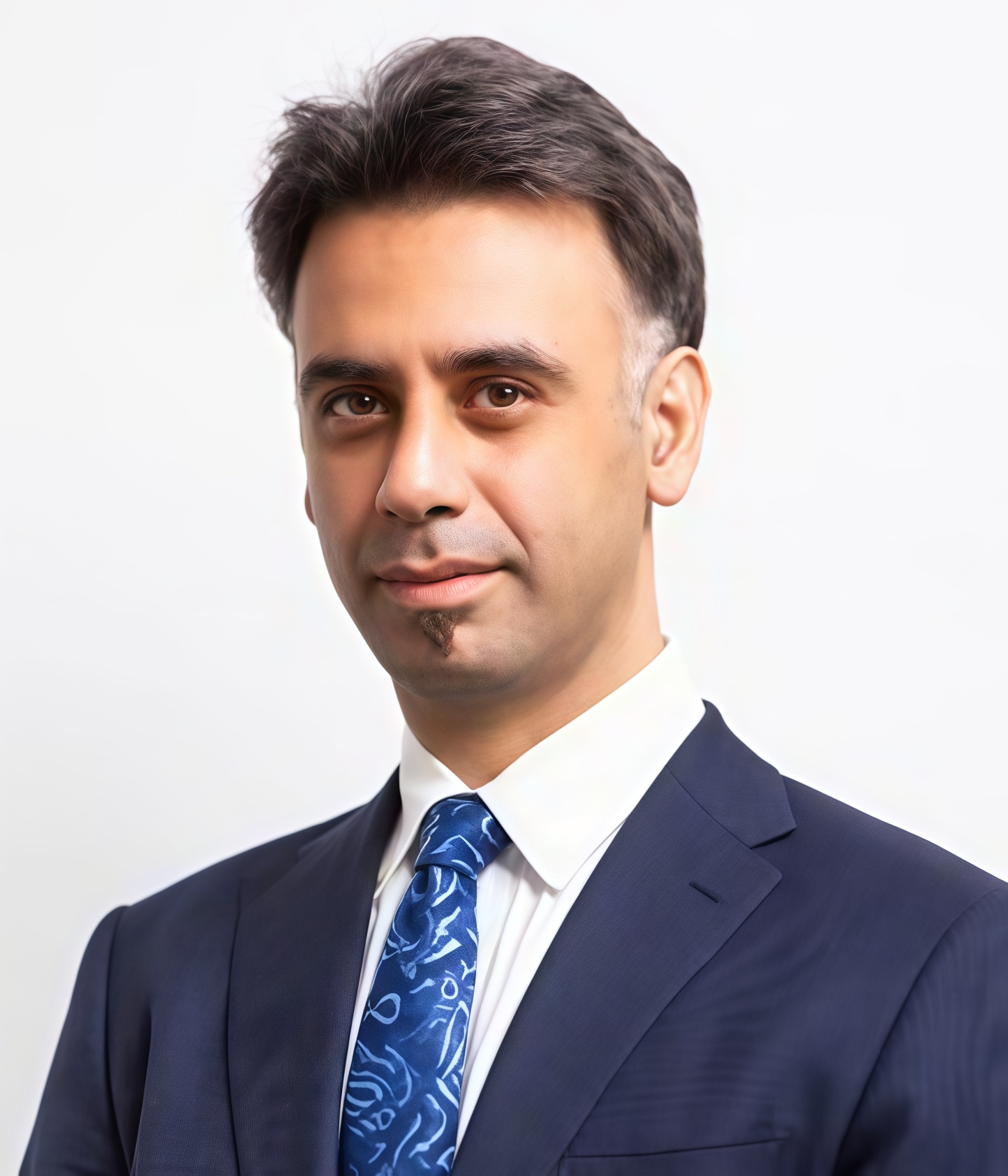
Mahdi Behrangrad
Head Of VPP/Energy Storage Department
Pacifico Energy K.K.
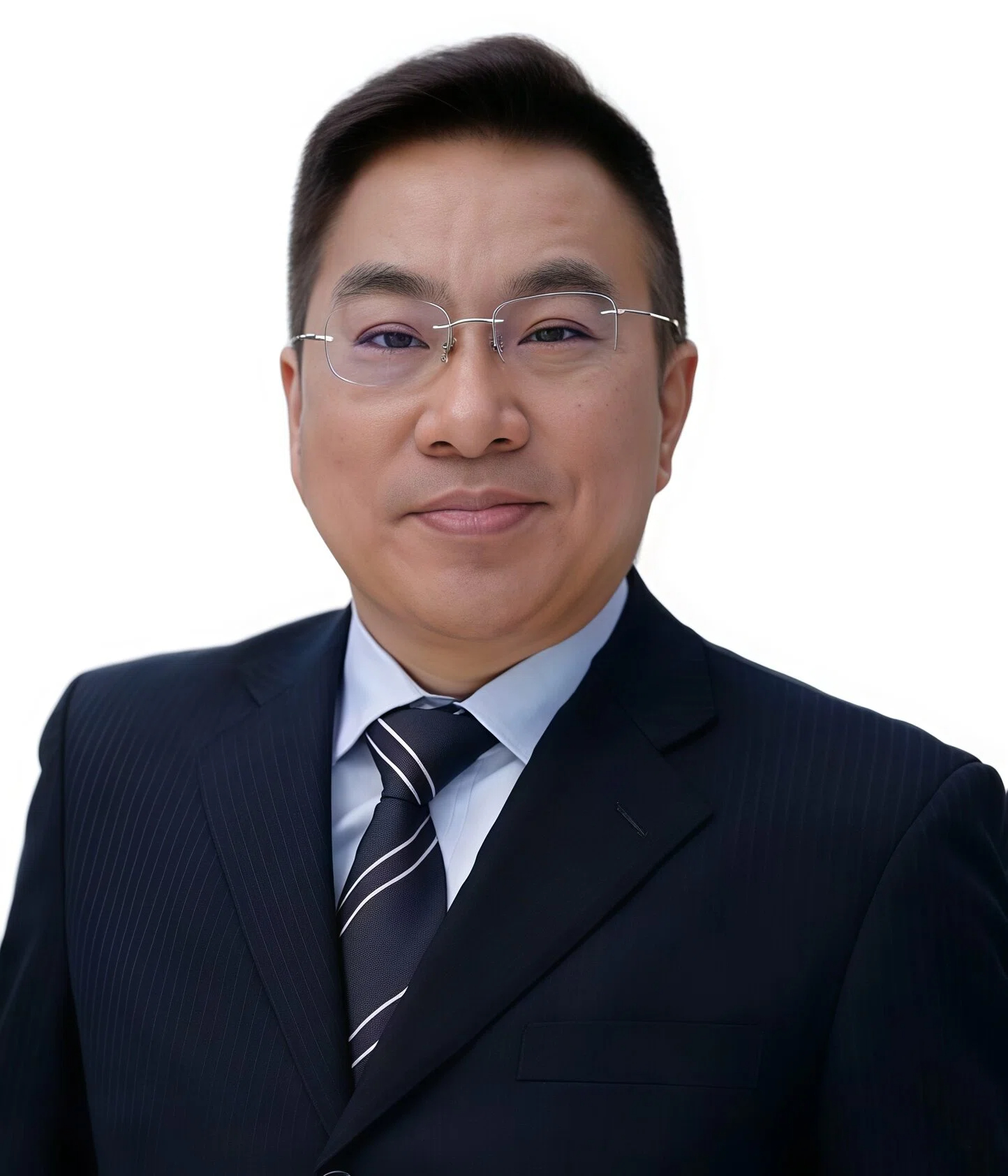
Takeshi Matsuki
Japan Country Manager
Global Wind Energy Council (GWEC)
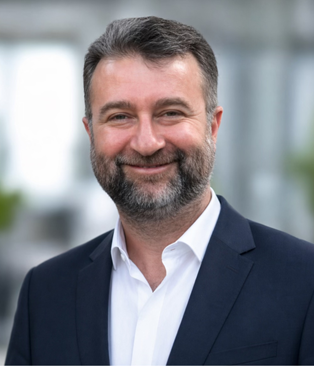
Gurbuz Gonul
Director, Country Engagement and Partnerships
International Renewable Energy Agency (IRENA)

Michiyo Miyamoto
Energy Finance Specialist
Institute for Energy Economics and Financial Analysis (IEEFA)
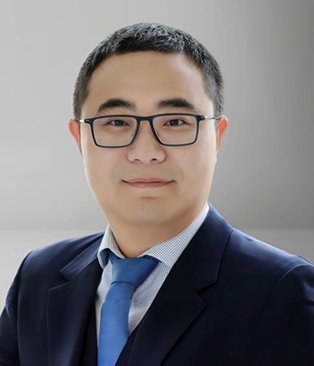
Dr. Allen Wang
Vice President, Head of APAC Power & Renewables Research
Wood Mackenzie

Mark Leslie
Regional Head and Director
JERA Nex

Bo Hesselbaek
Head of Regulatory and Technical, APAC
JERA Nex

Akinori Uno
Partner and Core Member of the Energy, Utilities and Resources Practice
Arthur D. Little
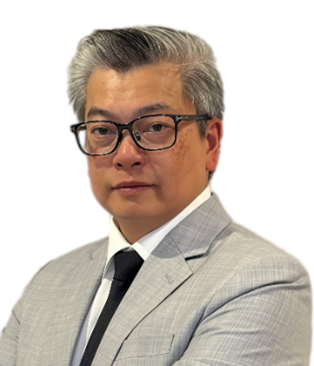
Trung Ghi
Partner, Head, Energy & Utilities Practice, APAC
Arthur D. Little
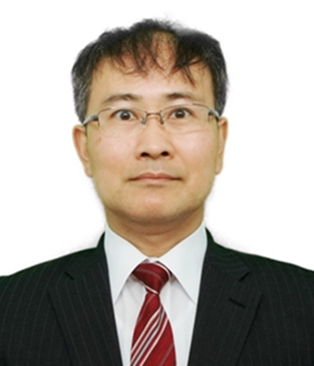
Hiroaki MOTOKI
Overseas Research Deputy General Manager
Engineering Office
Tepco Power Grid

Debmalya Sen
President
India Energy Storage Alliance (IESA)

Matteo Centonze
Country Managing Director Japan / Head of Business Development Asia
Greenvolt Group

Shubhra Thakur
Director of Policy and Markets, Asia Pacific
Long Duration Energy Storage Council (LDES Council)

Modini Yantrapati
Principal Consultant- Energy Storage and Hybrid Systems
AFRY

Dr. Jan Warzecha
Executive Officer Energy Creation and Representative Director Shizen Engineering
Shizen Energy Group
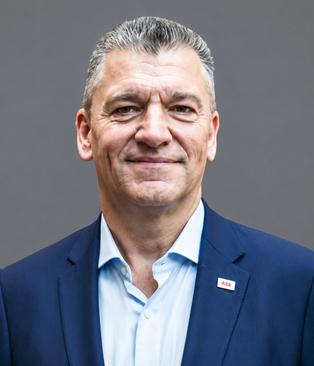
Lee Todd
VP Energy & Carbon Services
ABB
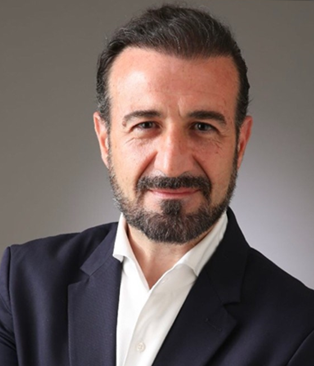
Jose Antonio Millan Ruano
President and CEO
Nozomi Energy K.K
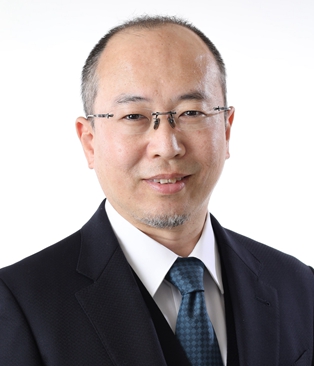
Ushio Okuyama
Country Manager, Japan
Gurin Energy

Marc Meier
Managing Director - Asia Pacific
PHENOGY AG
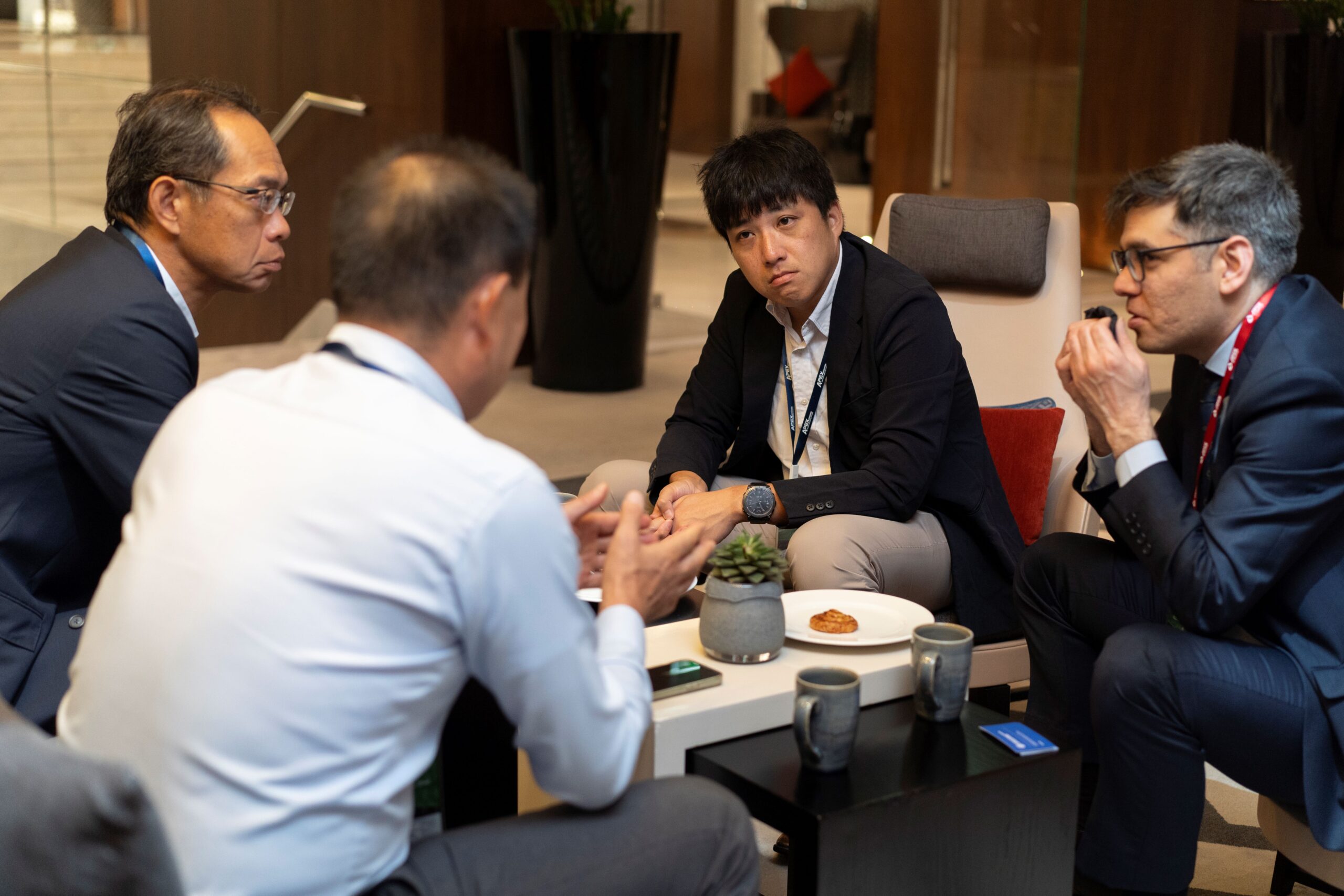
Collaboration Zone: Where Ideas and Partnerships Take Flight
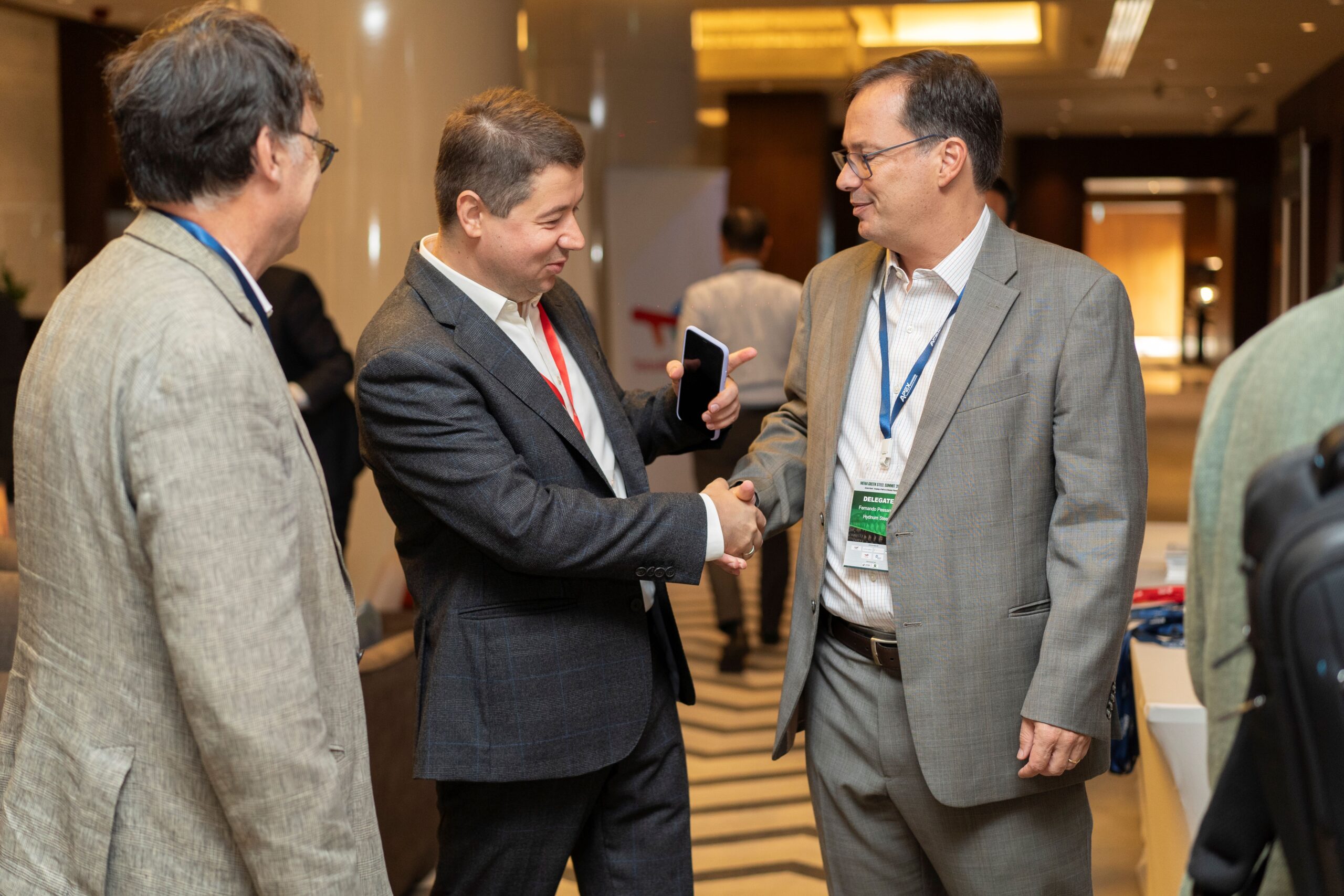
Step into a dynamic networking environment at FES APAC, where you can build strategic partnerships, exchange valuable industry insights, and collaborate with utilities, energy storage manufacturers, technology providers, policymakers, investors, and sustainability leaders shaping the future of low-carbon energy across the Asia-Pacific region. Engage with industry pioneers driving advancements in battery technologies, grid-scale storage solutions, renewable integration, and next-generation energy management systems.
Where Collaboration Takes Off: Join Us as a Strategic Event Partner
Join us as a partner at Future Energy Storage APAC and position your brand at the forefront of the Asia-Pacific energy transition. Shape the future of low-carbon energy, showcase cutting-edge battery technologies, grid-scale storage solutions, and renewable integration strategies, and connect directly with the industry leaders driving innovation and transformation across the energy ecosystem in the region.
Summit Spectrum: Charting the Course for Energy Storage
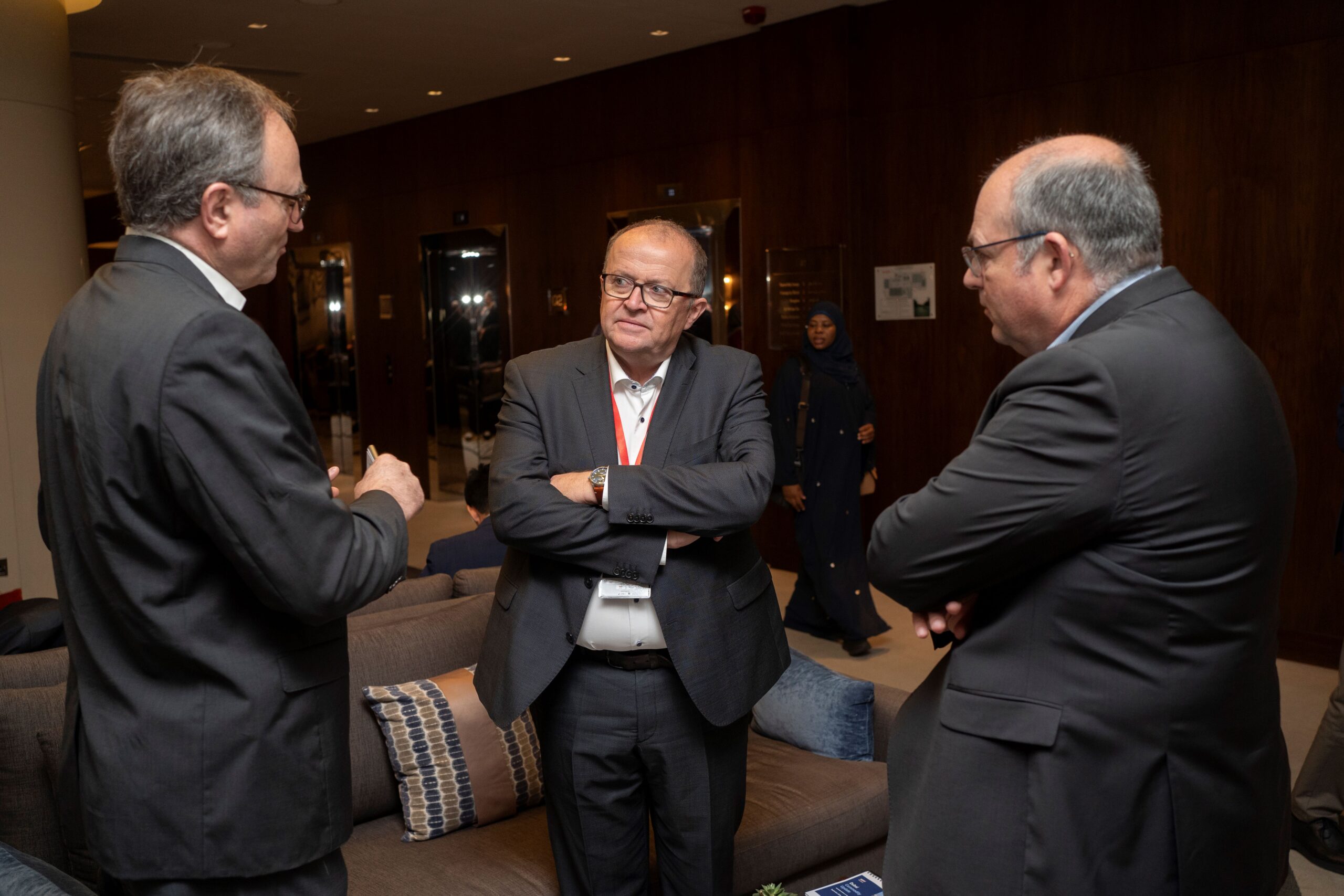
Discover a dynamic agenda at Future Energy Storage APAC , where utilities, energy storage manufacturers, technology innovators, policymakers, and investors will share cutting-edge insights, best practices, and forward-looking strategies to accelerate the deployment of advanced energy storage solutions and drive the low-carbon energy transition across the Asia-Pacific region.